
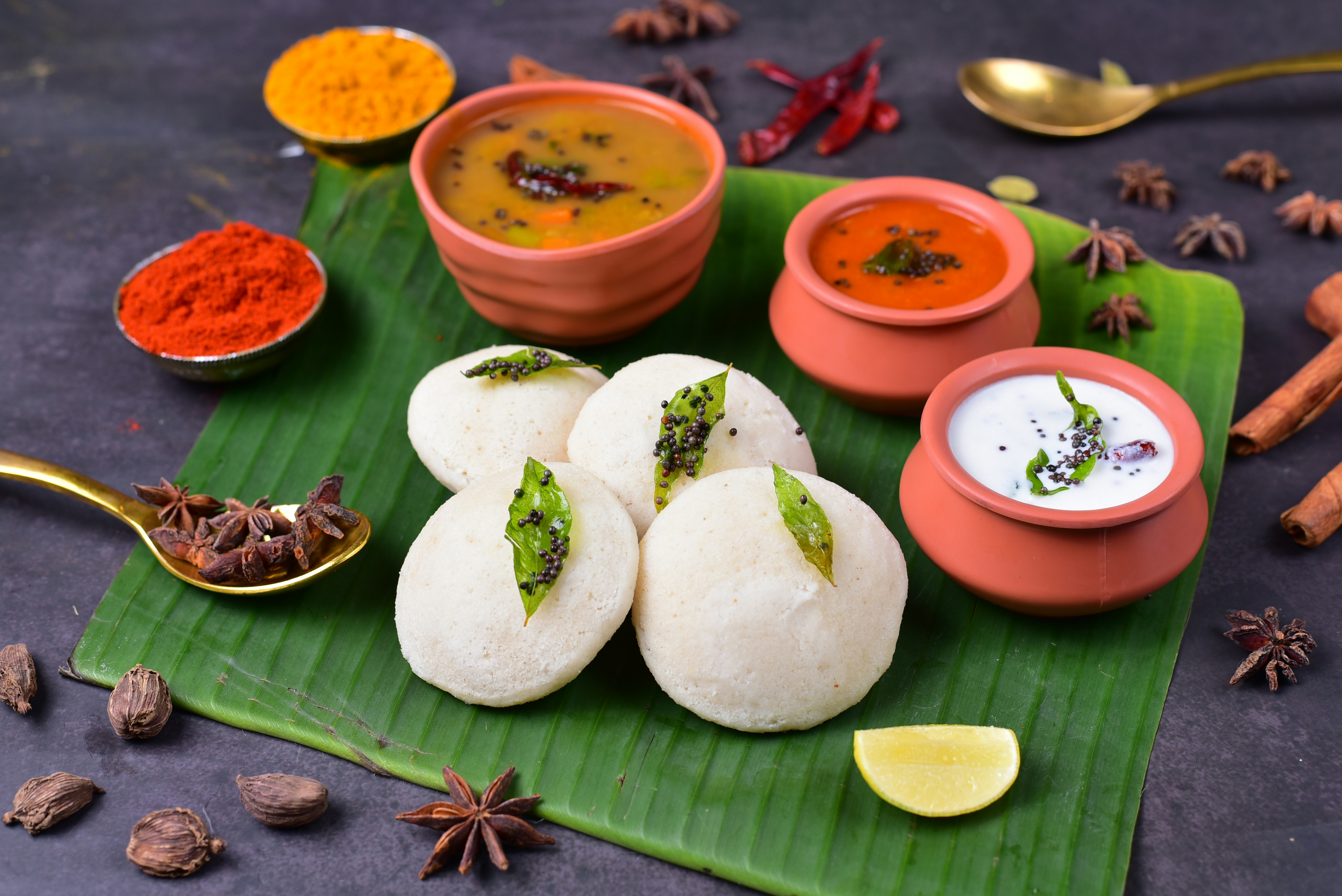
What is South Indian Sambar?
Sambar is a flavorful lentil-based stew that is a cornerstone of South Indian cuisine. Originating from the state of Tamil Nadu, this dish has substantial cultural significance and is widely regarded as an essential part of any South Indian meal. Traditionally made with a combination of lentils, vegetables, tamarind, and a unique blend of spices, sambar embodies the rich culinary heritage of the region.
The roots of sambar can be traced back to the 17th century, where it is said to have been created by the Maratha ruler Chhatrapati Shivaji’s mother, who adapted the Maharashtrian dish known as ‘sinji’. Over the years, the recipe has evolved, incorporating local ingredients and flavors, which has contributed to the variety of sambar recipes that exist today, reflecting the diversity of South Indian traditions. Each household in South India often has its unique version of sambar, with regional variations that enhance its charm.
Sambar is most commonly served with steamed rice, making it a staple meal component not only in homes but also in eateries and restaurants across South India. It is often featured alongside different breakfast items such as idli, dosa, and vada, establishing it as a versatile dish perfect for any time of the day. The customary way to enjoy sambar is to mix it with rice, allowing the flavors to meld together beautifully. Additionally, sambar is known for its health benefits, as it is rich in proteins from lentils and vitamins from vegetables. This combination has ensured that it remains a beloved dish across generations, deeply ingrained in the culinary fabric of South Indian society.
Why This Recipe Works
The traditional South Indian sambar is a vibrant and flavorful lentil-based stew, widely regarded for its rich profile and aromatic qualities. This specific recipe excels due to its balanced blend of spices, fresh ingredients, and cooking techniques that enhance the overall taste. The harmonious amalgamation of tamarind, which offers a tangy depth, and the earthy flavors of lentils sets a compelling base for this dish.
One of the fundamental reasons why this sambar recipe stands out is the use of freshly ground spices. By incorporating whole spices like cumin, coriander seeds, and mustard seeds, the resultant sambar gains an unparalleled freshness that pre-ground varieties often lack. The process of roasting these spices before grinding not only elevates the fragrance but also intensifies their flavors, embedding them into each spoonful of the dish.
Furthermore, the freshness of ingredients such as tomatoes, onions, and seasonal vegetables plays a crucial role in achieving a well-rounded flavor profile. Using locally sourced and seasonal produce not only enhances the taste but also ensures the dish’s authenticity. An important aspect of this recipe is the careful cooking of the vegetables, which allows them to soften while retaining their essential flavors, ensuring a satisfying texture that complements the lentils.
Additionally, this recipe is designed to be approachable for home cooks. Step-by-step instructions guide novices through preparing perfect sambar without overwhelming them. Moreover, the flexibility to adjust spice levels and ingredients means that individuals can tailor the recipe according to their preferences, ensuring that everyone can enjoy this traditional delicacy.
Ingredients Required
The traditional South Indian sambar is a nutritious and flavorful dish that incorporates a variety of ingredients, each contributing to both taste and health benefits. Here is the list of essential ingredients along with their measurements and benefits:
1. Toor Dal (Pigeon Peas) – 1 cup
Toor dal is rich in protein, fiber, and essential minerals like iron and potassium. Its inclusion in sambar not only enhances the flavor but also provides a hearty base, making the dish satisfying and nutritious.
2. Tamarind – 2 tablespoons (soaked in 1 cup of water)
Tamarind adds a unique tang to the sambar and is known for its antioxidant properties. It aids digestion and is often used to help manage blood sugar levels, making it a healthy addition.
3. Mixed Vegetables – 2 cups (carrots, potatoes, drumsticks, brinjals)
Using a variety of vegetables in sambar not only adds color but also increases its nutrient density. Vegetables like carrots are high in beta-carotene, while drumsticks are known for their anti-inflammatory properties.
4. Sambar Powder – 2 tablespoons
This spice blend typically includes coriander seeds, cumin, mustard seeds, and fenugreek. Each spice contributes antioxidants and has health benefits such as improved digestion and anti-inflammatory effects.
5. Mustard Seeds – 1 teaspoon
Mustard seeds are packed with selenium and magnesium. They add a distinctive flavor during tempering and are known to boost metabolism and improve immune function.
6. Curry Leaves – 10-12 leaves
Curry leaves not only enhance the aroma of sambar but are also rich in iron, calcium, and vitamin A. They contribute to digestion and help in lowering cholesterol levels.
These ingredients come together to create a balanced dish that showcases the flavors of traditional South Indian cuisine while providing numerous health benefits. By understanding the importance of each component, one can enjoy a nourishing sambar that supports overall wellness.
Step-by-Step Instructions
To successfully prepare the traditional South Indian sambar, follow these detailed instructions to ensure a delicious outcome. Begin by gathering all the necessary ingredients: toor dal (pigeon peas), a variety of vegetables such as carrots, potatoes, and tomatoes, sambar powder, tamarind, mustard seeds, curry leaves, and salt.
1. **Prepare the Dal**: Rinse 1 cup of toor dal thoroughly under running water. This step is crucial as it removes any impurities. In a pressure cooker, add the rinsed dal with 3 cups of water, a pinch of turmeric, and a bit of oil to prevent foaming. Cook for about 3-4 whistles, then allow it to cool.
2. **Cook the Vegetables**: While the dal is cooking, chop your chosen vegetables into uniform sizes for even cooking. In a pot, add 2 cups of water and the chopped vegetables along with salt to taste. Bring to a boil and cook until they are tender, approximately 10-15 minutes.
3. **Combine the Ingredients**: Once the dal is cooked, mash it slightly with a ladle or spoon. Add this to the pot with cooked vegetables. Stir in 2-3 tablespoons of sambar powder, which will infuse the dish with rich flavor, and adjust the seasoning as required. Include tamarind extract for a sour note, typically extracted from a small ball of tamarind soaked in warm water.
4. **Temper the Sambar**: In a frying pan, heat 2 tablespoons of oil over medium heat. Add 1 teaspoon of mustard seeds and allow them to splutter. Incorporate a handful of curry leaves and let them fry for a few seconds until fragrant. Pour this tempering over the sambar mixture, mixing well to combine all flavors.
5. **Simmer**: Finally, allow the sambar to simmer on low heat for about 10 minutes, which allows the spices to meld beautifully. Stir gently to prevent sticking and taste to ensure the flavors are balanced to your liking.
This systematic approach to preparing sambar ensures that even novice cooks can replicate this beloved dish, capturing the essence of traditional South Indian cuisine.
Tips for Making Perfect Sambar
Creating the perfect sambar is an art that requires careful attention to both ingredients and technique. To begin with, the ideal cooking time for various lentils, particularly toor dal (pigeon peas), is essential. It typically requires around 20 to 30 minutes of pressure cooking to achieve that desirable creamy texture. Adjusting your cooking time based on the freshness of the dal is crucial, as older lentils may take longer to cook.
Balancing the flavors is another vital aspect. Sambar should harmonize spice, tang, and sweetness. A careful approach to the spices is recommended; commonly used spices such as coriander, cumin, and mustard seeds should be roasted individually before grinding to release their full flavors. Moreover, incorporating tamarind pulp at the right stage is key; adding it too early can lead to a bitter aftertaste. A general rule of thumb is to include it after the lentils have cooked and blended well with vegetables.
For those seeking to adjust spice levels, remember that heat can be modified by the quantity of green chilies or red chili powder used. Additionally, using jaggery can not only enhance the sweetness but also subdue excessive spiciness, yielding a well-rounded flavor profile. Consistency and texture are equally important; aiming for a medium-thick consistency is recommended. For a sambar that rivals restaurant quality, a final tempering with curry leaves and asafetida in hot oil elevates the aroma and flavor.
Incorporating fresh vegetables like drumsticks, carrots, or eggplant not only adds flavor but also enhances the nutritional value of the dish. Cooking them partially before adding to the sambar can help manage their texture better. Through these tips and techniques, you can ensure that your sambar is not just a dish, but a delightful experience that pays homage to its South Indian roots.
Common Mistakes to Avoid
When preparing traditional South Indian sambar, several common pitfalls may hinder the perfect balance of flavors and textures. One frequent mistake is overcooking vegetables. It is crucial to ensure that the vegetables retain their integrity and texture through proper preparation and cooking techniques. To avoid this, consider adding sturdier vegetables like carrots and potatoes first, while softer varieties such as tomatoes and eggplants should be introduced later in the cooking process. This staggered addition allows for even cooking without compromising the flavor and visual appeal of the sambar.
Another common issue is the incorrect measurement of spices. Because spices are central to achieving the right flavor profile in sambar, miscalculating their proportions can result in a bland or overly spicy dish. To mitigate this problem, it is recommended to measure spices prior to cooking and refer to trusted recipes that provide precise quantities. Moreover, initiating the seasoning process with smaller amounts and gradually refining to taste can help maintain balance and prevent overwhelming flavors.
Furthermore, some home cooks tend to neglect the importance of the cooking time required to allow flavors to meld properly. Insufficient simmering can lead to a sambar that feels disjointed rather than cohesive. For optimal results, allow the sambar to simmer adequately; this not only enhances the flavor profile but also promotes the blending of spices. Lastly, don’t forget about resting time after cooking. Allowing sambar to sit covered for a little while before serving enables the flavors to develop further, ensuring a taste experience that resonates with authenticity.
Variations of Sambar
Sambar, an integral part of South Indian cuisine, showcases a remarkable diversity with several regional variations. Each version bears distinct characteristics due to unique ingredients and preparation methods, reflecting the local culinary traditions.
One of the most popular variations is Idli Sambar. It is specifically prepared to accompany the soft, steamed rice cakes known as idlis. The Idli Sambar is typically made with toor dal and a blend of vegetables such as carrots, onions, and an essential ingredient, tamarind for sourness. The use of fresh ground spice powder enhances its flavor, making it a delightful pairing with idlis.
Arachuvitta Sambar exemplifies a more traditional and rustic style. The standout feature of Arachuvitta Sambar is the freshly ground spice mix, typically made from roasted coriander seeds, cumin, red chilies, and coconut. This variation often includes a mix of vegetables, such as drumsticks and eggplant, which add depth to the flavor profile. Arachuvitta Sambar is often served with steamed rice or dosas, enhancing the overall meal experience.
The Hotel Style Sambar is a staple found in many South Indian restaurants. Known for its consistency and flavor, this version usually features a thicker texture and a stronger spice blend. It often includes ingredients like black lentils and is served with crispy dosas or vadas, making it a favorite among diners seeking a hearty meal.
Lastly, Mixed Vegetable Sambar emphasizes the versatility of this dish. It allows for a variety of seasonal vegetables, creating a wholesome option that can cater to various dietary preferences. Packed with nutrition, this variation is ideal for family meals and can be served alongside rice or enjoyed with chapatis.
Each variation of sambar not only highlights the uniqueness of South Indian flavors but also serves as a testament to the region’s rich culinary heritage.
Best Vegetables for Sambar
When it comes to preparing an authentic and flavorful South Indian sambar, the choice of vegetables plays a pivotal role in creating a balanced dish. The traditional recipe is versatile, allowing various vegetables to enhance its richness and nutritional profile. Here, we explore some of the best vegetables that complement the dish, focusing on their flavors, textures, and seasonal availability.
One of the most commonly used vegetables in sambar is drumsticks (Moringa pods). They have a unique flavor and a fibrous texture, which absorbs the spices beautifully, making them a popular choice. Carrots add a mildly sweet flavor and a nice crunch, while potatoes contribute to creating a creamy consistency. The addition of tomatoes offers acidity and balances the spices, enhancing the overall flavor of the sambar.
Another excellent vegetable to consider is brinjal (eggplant), which becomes tender during cooking, adding a rich and smoky flavor. Green beans provide a crisp texture, making them a great option for adding freshness. Furthermore, onions can be sautéed at the beginning of the cooking process to develop a deeper flavor base for the sambar.
In terms of seasonal variations, incorporating pumpkin during the colder months not only adds a vibrant color but also imparts a sweet taste, complementing the spices well. Likewise, radishes, popular in some regional versions, introduce a peppery note that contrasts beautifully with the other ingredients. Lastly, always be open to experimenting with locally available vegetables such as spinach or bitter gourd, which can add their unique flair to this classic dish.
Serving Suggestions
Sambar is a quintessential dish in South Indian cuisine, appreciated for its rich flavors and versatility. Traditionally, it is served hot with steamed white rice, which absorbs the sambar’s delectable taste. This pairing allows the combination of textures and flavors to shine, making for a hearty meal. For those looking to experience sambar in a more authentic manner, it can also be served with idli and dosa, two quintessential South Indian breakfast items. Sambar adds a delightful tangy taste to these dishes and enhances their flavors, bringing a delightful balance to the palate.
Accompaniments such as papadam (crispy lentil wafers) and a side of coconut chutney can elevate the dining experience. The crispiness of papadam provides a pleasing contrast to the soft textures of rice and sambar, while coconut chutney offers a cooling effect that beautifully complements the spiciness of sambar. For those wishing to explore further, serving sambar with upma or rice balls can introduce new dimensions to the meal, showcasing its versatility.
When it comes to presentation, consider using a visually appealing serving vessel, such as a traditional brass or stainless steel bowl, to enhance the aesthetic appeal of your dish. It is customary to serve sambar in separate bowls alongside rice and other accompaniments, ensuring that guests can mix and match according to their preferences. Placing fresh coriander leaves on top of the sambar not only garnishes the dish but also adds an aromatic element that enhances its visual appeal. Additionally, serving sambar in small portions allows for a communal experience, encouraging diners to share and savor their meals together, which is an integral aspect of South Indian dining culture.
Ultimately, sambar is more than just a dish; it is a celebration of flavors and cultural traditions that bring people together. Whether served at a festive occasion or a relaxed family meal, it fosters a shared experience that resonates with the warmth of South Indian hospitality.
Storage and Reheating Instructions
Proper storage and reheating of traditional South Indian sambar is essential to preserve its flavors and texture, ensuring that it remains enjoyable even after the initial preparation. When it comes to storing leftover sambar, the first recommendation is to allow the dish to cool to room temperature. This avoids condensation in the storage container, which can lead to unwanted moisture and affect the dish’s quality.
For storage, glass or plastic airtight containers are ideal as they seal in freshness and prevent the absorption of any odors from other foods in the refrigerator. It is advisable to store sambar in portions, allowing for easy access and minimizing the time the entire batch is out of cool conditions. The sambar can be safely stored in the refrigerator for up to three days. For longer storage, consider freezing the sambar. When freezing, ensure that there is enough headspace in the container, as the sambar may expand when frozen. It is best to use freezer-safe containers or heavy-duty freezer bags for optimal preservation.
When it comes time to reheat the sambar, the method of reheating can greatly impact its flavor and texture. If reheating from the refrigerator, transfer the desired portion to a saucepan and heat it over medium heat on the stove. Stir occasionally to ensure even heat distribution. If frozen, allow the sambar to thaw in the refrigerator overnight for a more even reheat. You can also use the microwave for convenience; however, it is best to not exceed 1-2 minutes of heating time at a time, stirring in-between to ensure it warms evenly. Avoid boiling the sambar during reheating, as this can cause it to lose its well-known richness and flavor.
Frequently Asked Questions (FAQs)
Sambar, a staple in South Indian cuisine, often raises several questions, especially among first-time cooks and those new to the dish. Here, we address some common queries to facilitate a better understanding of this delicious recipe.
1. What can I substitute for toor dal?
Toor dal, or split pigeon peas, is the traditional legume used in sambar. If unavailable, you can substitute it with yellow moong dal or even red lentils, although the taste and texture may vary slightly. Adjust the cooking times accordingly, as different legumes have varying cooking durations.
2. Can I use frozen vegetables in sambar?
Yes, frozen vegetables can be used as a convenient alternative to fresh ones. They retain much of their nutritional value and can significantly reduce preparation time. Just ensure to add them according to their cooking times, allowing for sufficient softness without overcooking.
3. Is sambar suitable for a vegan or gluten-free diet?
Sambar is inherently vegan as it is made without animal products. To maintain gluten-free status, ensure that any spices or ready-made sambar powder do not contain gluten additives. Many brands offer gluten-free varieties, making it easy to enjoy this dish on a gluten-free diet.
4. What are some cooking tips to enhance sambar flavor?
To enhance the flavor of your sambar, always use a freshly ground sambar powder, as its aroma and flavor diminish over time. Toasting the spices before grinding can also elevate the taste. Additionally, balancing tamarind, salt, and spice levels to preference can create a personalized flavor profile. Adjust these ingredients slowly, tasting as you go for optimal seasoning.
5. How can I store leftover sambar?
Sambar can be stored in an airtight container in the refrigerator for up to three days. It can also be frozen for up to a month. When reheating, add a splash of water to maintain the desired consistency, as it tends to thicken when stored.
Nutritional Information
Understanding the nutritional information of traditional South Indian sambar is essential for anyone looking to optimize their diet while enjoying flavorful cuisine. Sambar is rich in various nutrients due to its diverse ingredients, often including lentils, vegetables, and spices.
A standard serving of sambar (approximately 200 grams) contains around 120-150 calories. This caloric value can vary based on the specific ingredients used, such as the type of lentils and vegetables incorporated into the dish. Lentils are the primary source of protein, contributing about 8-10 grams of protein per serving, making this dish an excellent vegetarian protein option.
In terms of macronutrient distribution, sambar typically contains 20-25 grams of carbohydrates, driven primarily by the vegetables and any added starches. Notably, the carbohydrates are complex, providing sustained energy release. Additionally, the dish is low in fat, usually containing less than 5 grams per serving due to the minimal use of oil or ghee used in preparation.
Sambar is also a good source of dietary fiber, which is beneficial for digestive health. A serving may provide 5-7 grams of fiber, aiding in satiety and promoting gut health. Among the vitamins and minerals, sambar is particularly rich in Vitamin A, Vitamin C, and potassium, with the variety of vegetables contributing these essential micronutrients. The spices used, such as turmeric and coriander, not only enhance flavor but also contribute antioxidant properties.
In summary, incorporating traditional South Indian sambar into one’s diet can offer a balanced mix of carbohydrates, protein, and essential vitamins and minerals, making it a nutritious choice for those aiming for a healthy lifestyle.
Conclusion
In conclusion, sambar holds a prominent place in South Indian cuisine, serving not only as a staple dish but also as a symbol of the region’s rich culinary heritage. This delightful lentil-based stew, infused with an array of vegetables and seasoned with a unique blend of spices, embodies the essence of traditional cooking in South India. Its versatility allows it to complement a variety of meals, making it a cherished choice for many households.
As you embark on your journey to prepare this classic recipe, we encourage you to embrace the process. Experimenting with different vegetables and adjusting the spice levels can lead to a personalized version of sambar that suits your taste preferences. Additionally, trying out various regional variations can enhance your understanding and appreciation of this dish. The communal aspect of sharing food and experiences is at the heart of South Indian culture, and we invite you to take part in this tradition.
We would love to hear about your cooking adventures! Please share your experiences and any unique adaptations you make while preparing sambar in the comments section below. Whether it is the choice of ingredients or cooking techniques, your insights can contribute to a vibrant community of sambar enthusiasts. Together, let’s celebrate this remarkable dish and keep the spirit of traditional South Indian cuisine alive!